

Self-determination theory: the quality of motivation
What kind of motivation a client has matters more than how much, and what that changes in a session.

Beyond SMART: goals, visions, and if-then plans
What goal research adds beyond SMART: challenging goals, values-based visions, and if-then plans.

Motivational interviewing, updated
What has changed in MI since many coaches trained: the current spirit, the 4 tasks, and the evidence.

Small steps: what habit research says about timelines
New habits usually take 2 to 5 months to feel automatic, not 21 days, and a missed day barely matters.

Atomic Habits through a coaching lens
What the research supports in Atomic Habits, and where "1% better" and identity habits run ahead of it.

Cues, routines, and alternate plans
David Kessler's 3 moves: refuse what you can't control, have an alternate plan, and limit cues.

Fast and slow thinking: why setting up surroundings beats willpower
System 1 and System 2, and why arranging surroundings ahead of time beats leaning on willpower.
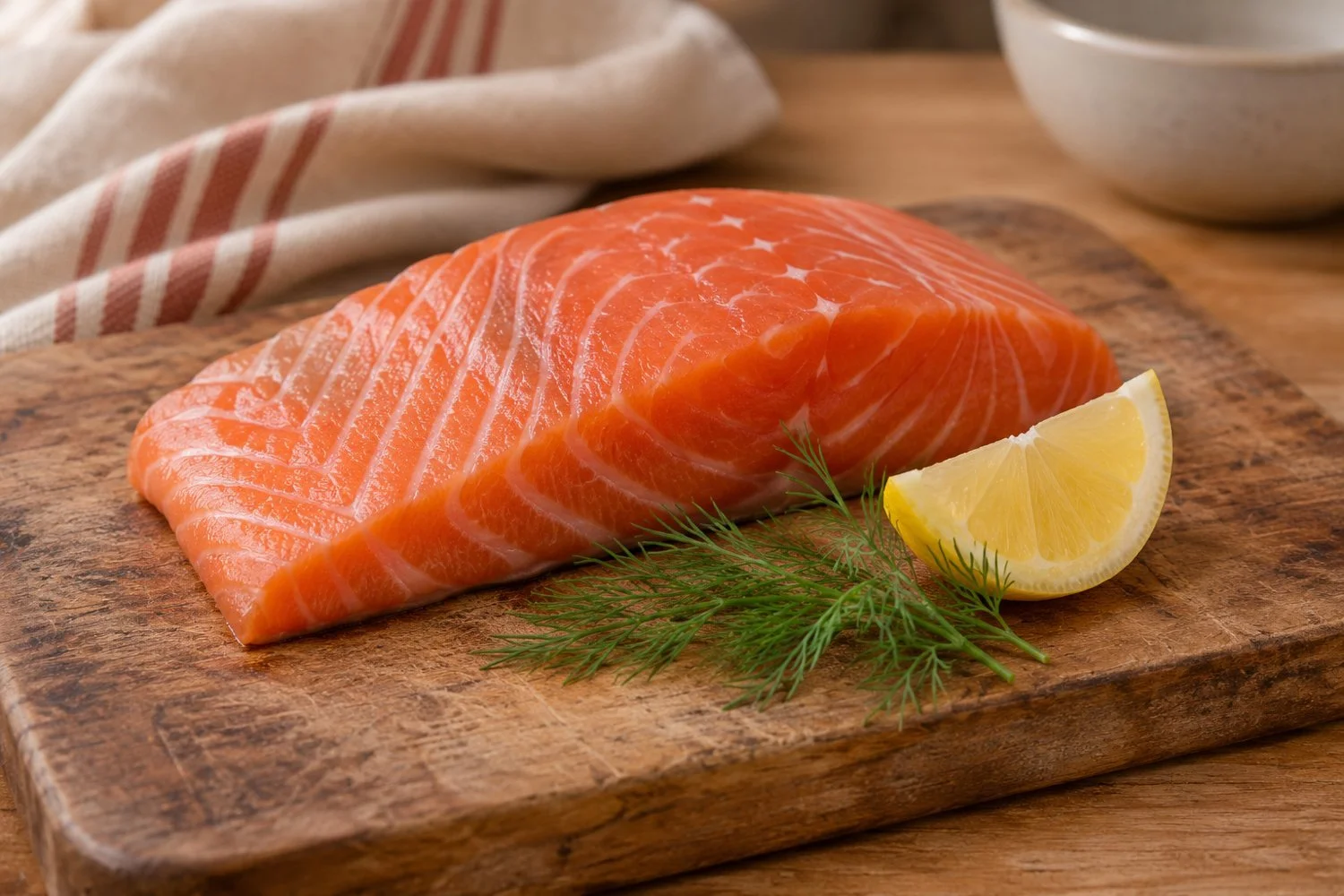
Fish or fish oil? What the omega-3 trials show
The evidence favors eating seafood. Large fish oil trials were mostly null, and higher doses carry risk.

Color, variety, and food first
Color is a useful conversation cue, but the stronger evidence is about how much produce and which kinds.

Calcium from plants: content versus absorption
How much calcium a plant food contains isn't how much the body absorbs. A corrected, checked list.
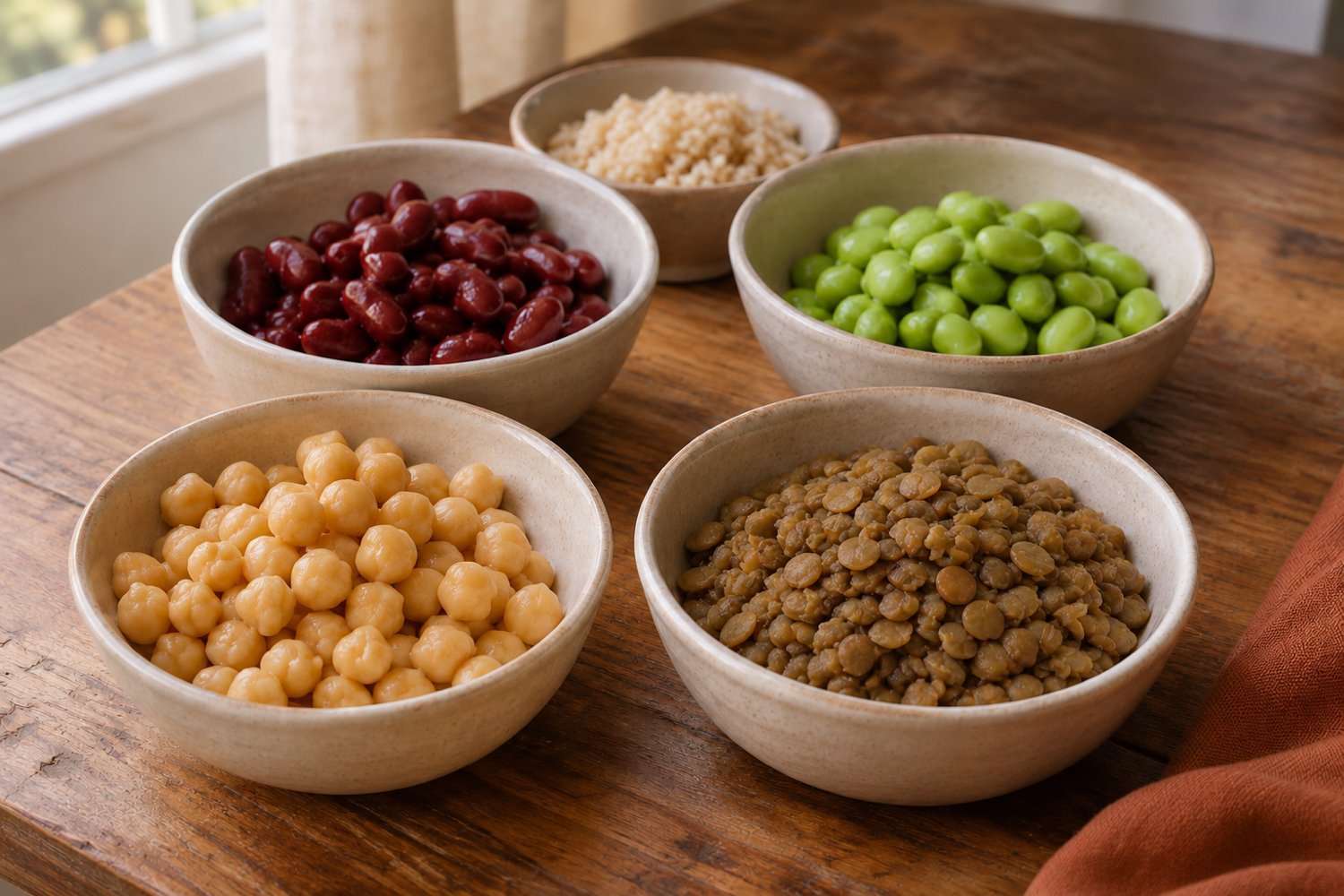
Plant protein and the "incomplete protein" myth
Plant foods contain all 9 essential amino acids. Total protein and variety matter, not combining.
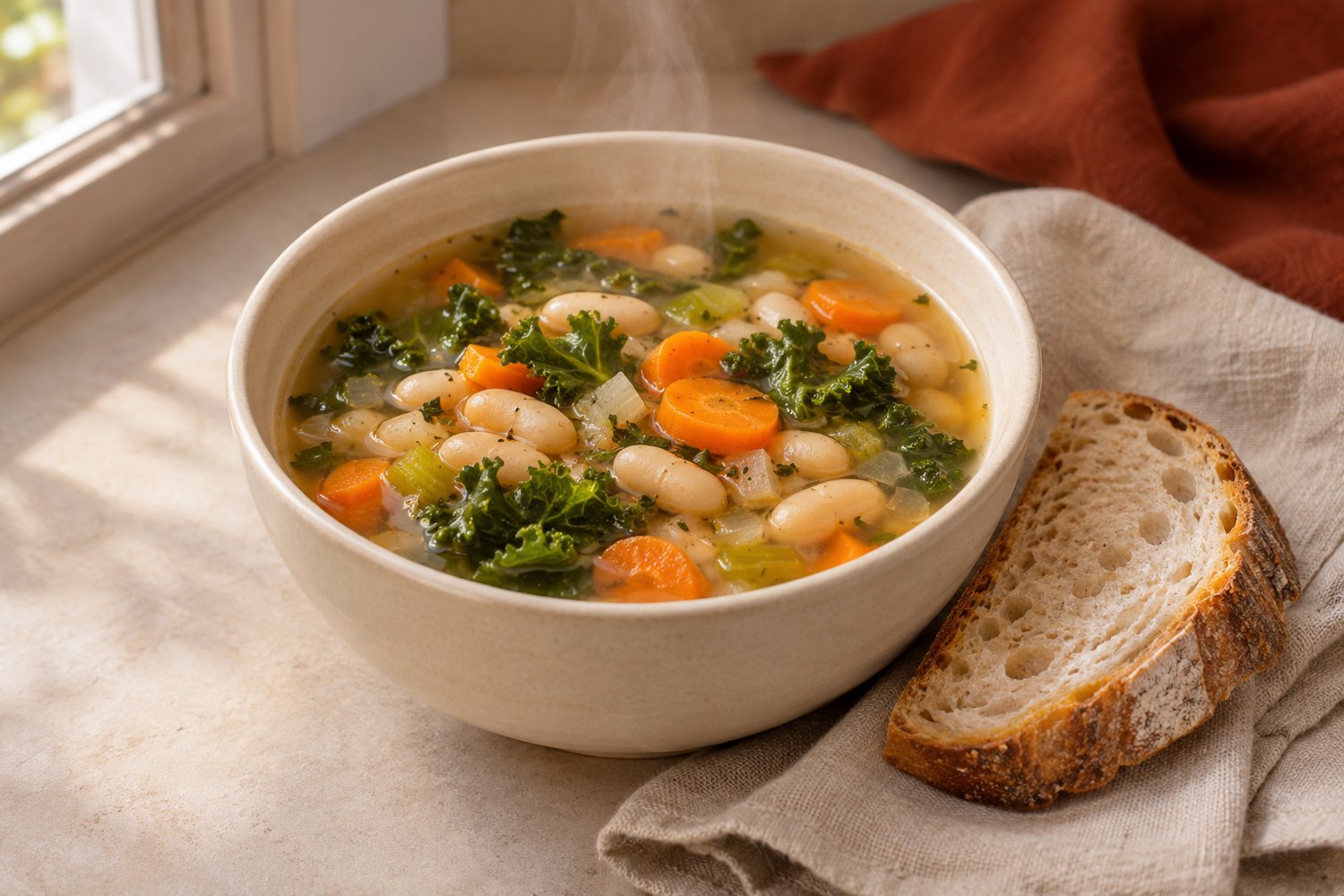
Energy density, fullness, and the thermic effect of food
What energy density and the thermic effect of food really do, and how to use them without restriction.

Healthy shopping on a tight budget
Which grocery tips hold up, which work against tight budgets, and how to co-create a shopping plan.

Mindful eating: what it changes and what it doesn't
What mindful eating reliably changes, where evidence is thin, and how it differs from intuitive eating.

Dopamine: wanting versus liking
Dopamine drives wanting more than liking, which explains the pull toward food a client doesn't enjoy.

Intention, attention, attitude: the three axioms of mindfulness
Shapiro's 3 axioms show why a client's practice isn't working, and where the mindfulness evidence stops.

Is there a best type of exercise?
No single exercise wins. What the guidelines and step research say, and how clients choose what lasts.

Deep work, focus, and flow
Why scattered attention costs clients more than time, and how coaches help them protect focus.

Swedish death cleaning: clutter and stress
What Magnusson's book says, what clutter research shows about stress, and how coaches support clients.

Food cues and flexible if-then plans
How food cues shape eating, why rigid rules backfire, and how clients write flexible if-then plans.